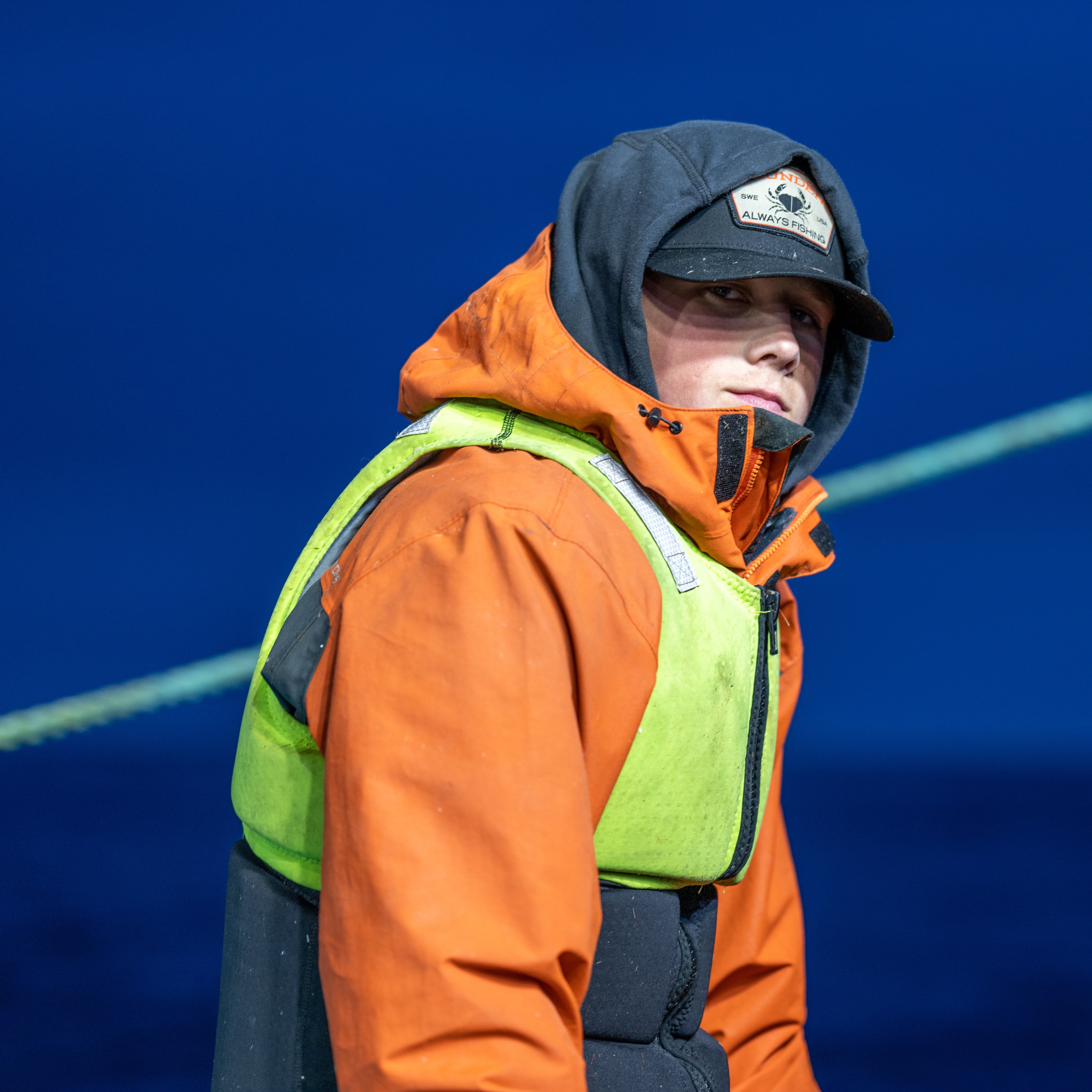
Learn about the Fishermen Led Injury Prevention Project (FLIPP). See how commercial fishermen are talking about lifejacket use and owning safety.
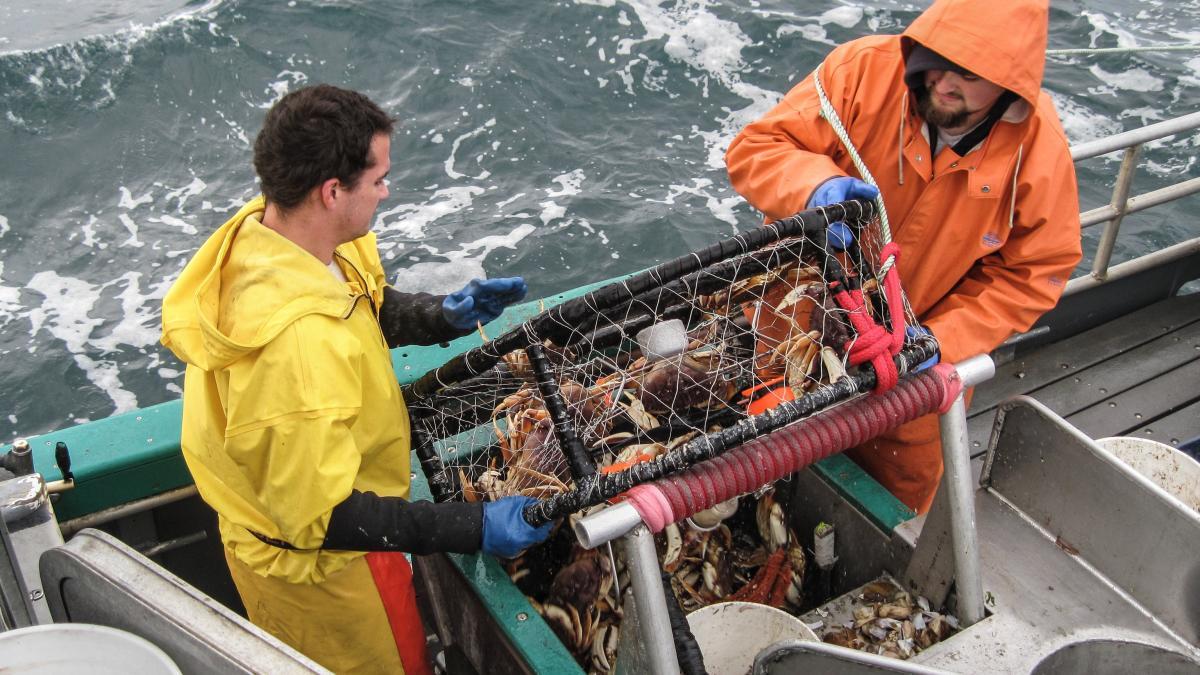
An Oregon State University study examined the effectiveness of a simple tool called a “banger bar” in reducing injuries among Dungeness crab fishermen, a group already at high risk for workplace strain and repetitive motion injuries. The bar, mounted on a crab-sorting table, allows fishermen to strike and empty pots more efficiently, though its use and design vary widely across vessels.
Because collecting real-time data aboard working boats was impractical, researchers recreated a crab boat environment in a laboratory setting. They used motion-capture technology, force plates, and muscle sensors to analyze how different banger bar setups affected physical strain. Participants tested five conditions, including no bar and multiple bar shapes and heights, while performing repeated lifting and dumping motions.
Results showed that higher flat bars and triangular designs reduced strain on key muscle groups such as the shoulders, lower back, and arms. Even with lighter, empty pots, the activity placed significant stress on the body, suggesting greater risk under real fishing conditions.
The study highlights the importance of ergonomic improvements and worker-informed solutions. Researchers also recommend rotating tasks to prevent uneven strain and are continuing work on other injury risks related to fishing equipment and vessel design.
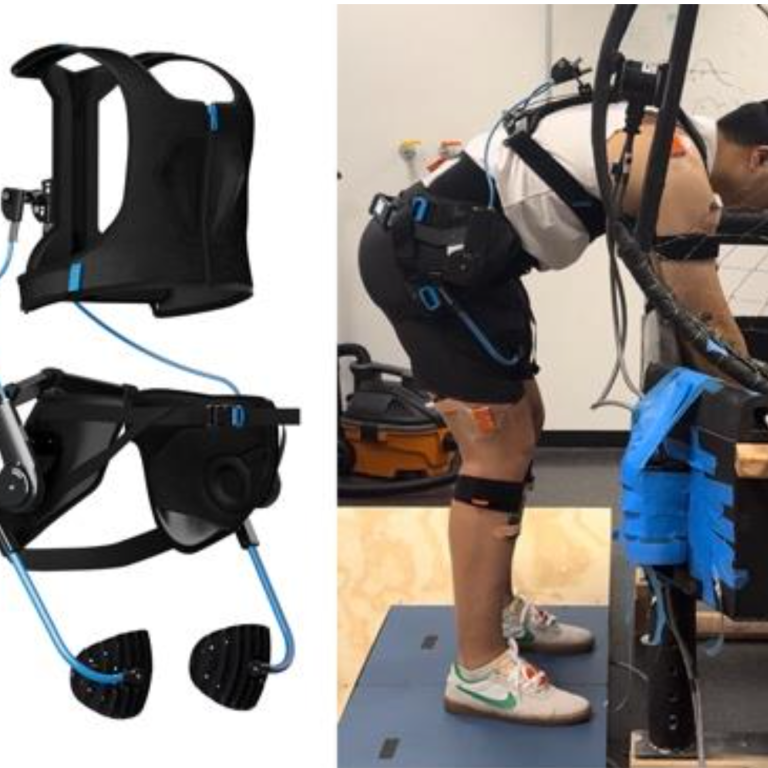
Jay Kim, Associate Professor at Texas A&M, produced educational handouts about lessons learned from two projects related to ergonomics and commercial fishing. The first is a handout about the banger bar project and the second is a project involving back support structures called, exoskeletons. We invite those who are connected to the fishing community to share these materials with partners and community members.
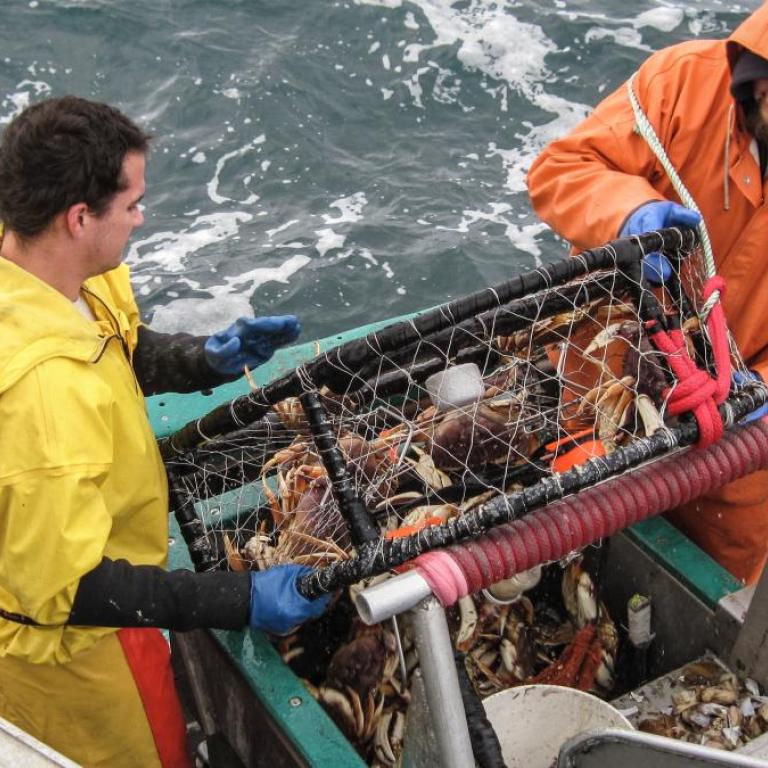
How does a banger bar help deckhands?
Download pdf