Consider taking this short 5–10 minute survey. The survey results are kept confidential and will help shape the online education project to teach about naloxone. We would like to get the thoughts of fishermen and those who support fishermen.
The PNASH Center supports fishing communities by increasing access to personal safety gear and practical, life-saving information. Fishermen face risks at sea, from severe weather to heavy equipment. A growing concern felt by fishing communities is the impact of substance use and opioid-related overdoses.
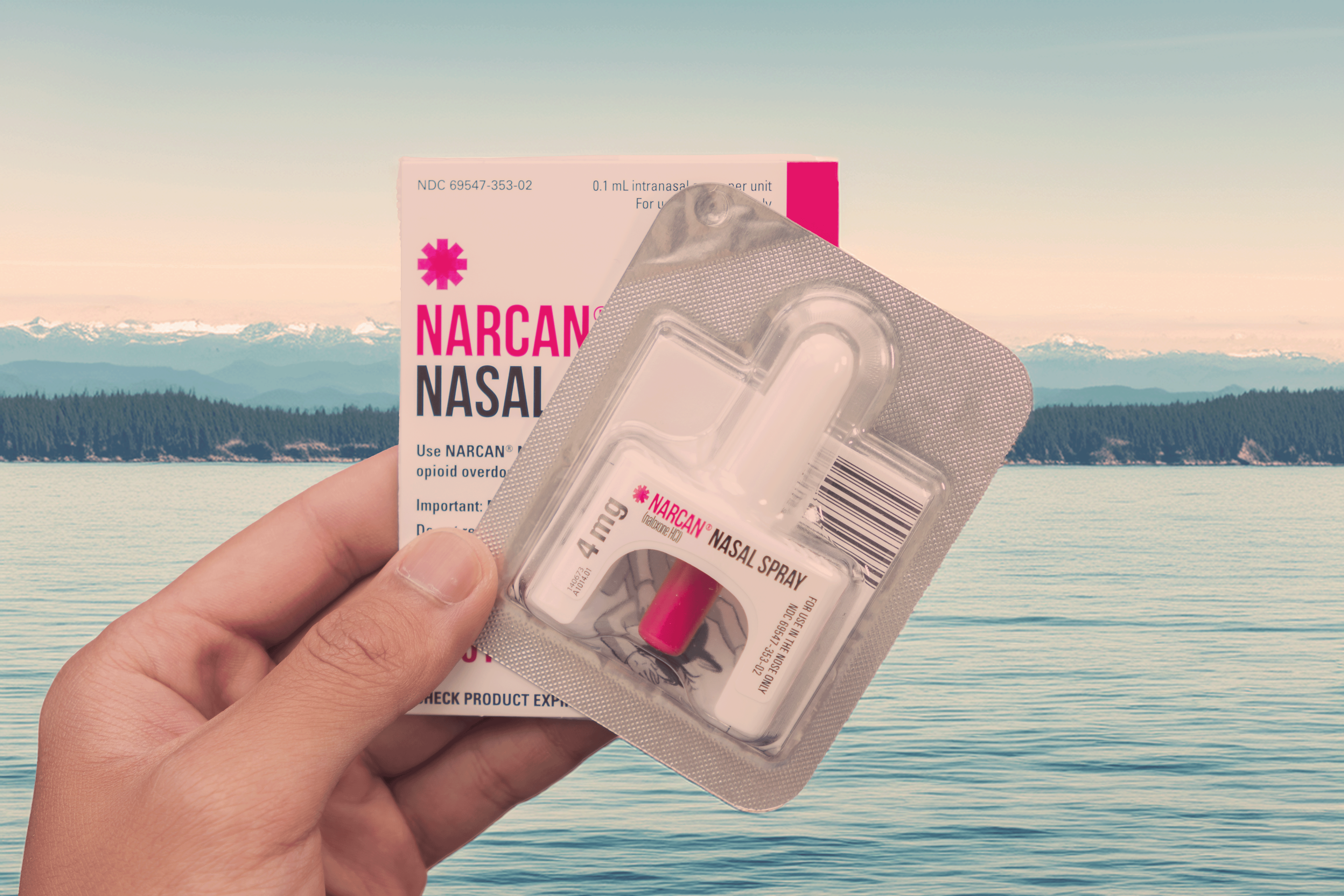
A new pilot project funded by PNASH aims to make it easier for fishermen to access important safety information, whenever they need it and wherever they are. The project plans to develop an online training - free, flexible, and able to complement existing maritime safety courses. The online training will cover how to recognize an overdose, how to respond in an emergency, and where to find recovery and support services. The training could also be shared through industry networks when live training events are not available.
Fishermen agree that including training about naloxone and how to use it is essential, but not all fisheries and fishermen are easy to reach. Fishing communities are often located in remote, geographically dispersed coastal areas, which can be a barrier to workers attending in-person training. Fishing seasons can also mean that traditional in-person education is not always practical.
This project is seeking the opinions of those who work in the fishing industry or support fishing communities. The research team wants to have a better idea about how to deliver a training about opioid use awareness for commercial fishermen. We ask that fishermen consider taking this short (5–10 minute) survey. The survey results are kept confidential and will help shape the proposed online education project.
This project is led by Autumn Dennistoun and is supported by the Northwest Center for Public Health Practice, and the Pacific Northwest Agricultural Safety and Health Center.