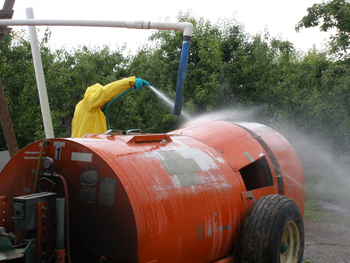
What is pesticide exposure?
Pesticides are substances designed to prevent, destroy, repel or mitigate pests. As of 2012, approximately 899 million pounds of conventional pesticides (e.g. insecticides, rodenticides, fungicides, herbicides, and fumigants) were used in United States agriculture (EPA 2017).
What are potential adverse health effects of pesticide exposure?
Between 2007 and 2011, the rate of acute illness and injury among agricultural workers (18.6/1000,000) was estimated to be 37 times greater than the rate for nonagricultural workers (0.5/100,000) (Calvert et al. 2016). Skin absorption, inhalation, and ingestion are key routes of exposure to consider for occupational and residential settings. PNASH works to address pesticide exposure for those who are most vulnerable:
- Pesticide handlers (mixers, loaders, and applicators)
- Children who have an enhanced susceptibility to the uptake and toxicity of pesticides
Overall, improved products, application practices, and case reporting have helped, but common illnesses and injuries still occur. Some of these common exposures happen through the off-target movement of pesticides (a.k.a. drift) or splashes to the eye. A growing body of evidence reveals that long-term exposure can lead to more serious health effects including neurological diseases and cancers.
PNASH Resources
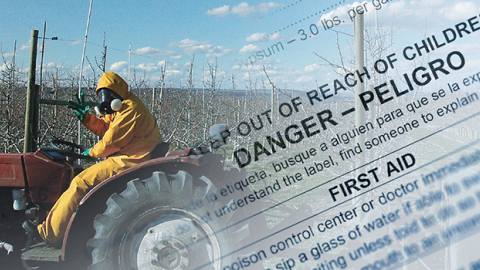
¡Etiquetas de pesticidas, ahora!™/Pesticide Labels, Now!™
This is a user friendly, free, mobile application that allows for searching, accessing, and downloading pesticide labels approved for use in Washington.
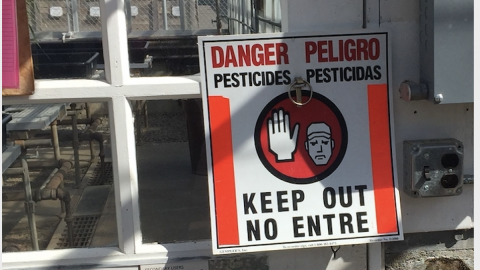
Practical Solutions for Pesticide Safety: Handheld Equipment
Online solutions for applicators using handheld equipment developed in collaboration with industry partners in nurseries, greenhouses, & forestry.

Fluorescent Tracer Kit
This tool provides quick demos and hands-on activities to make pesticide applicator safety education fun and memorable - seeing is believing!