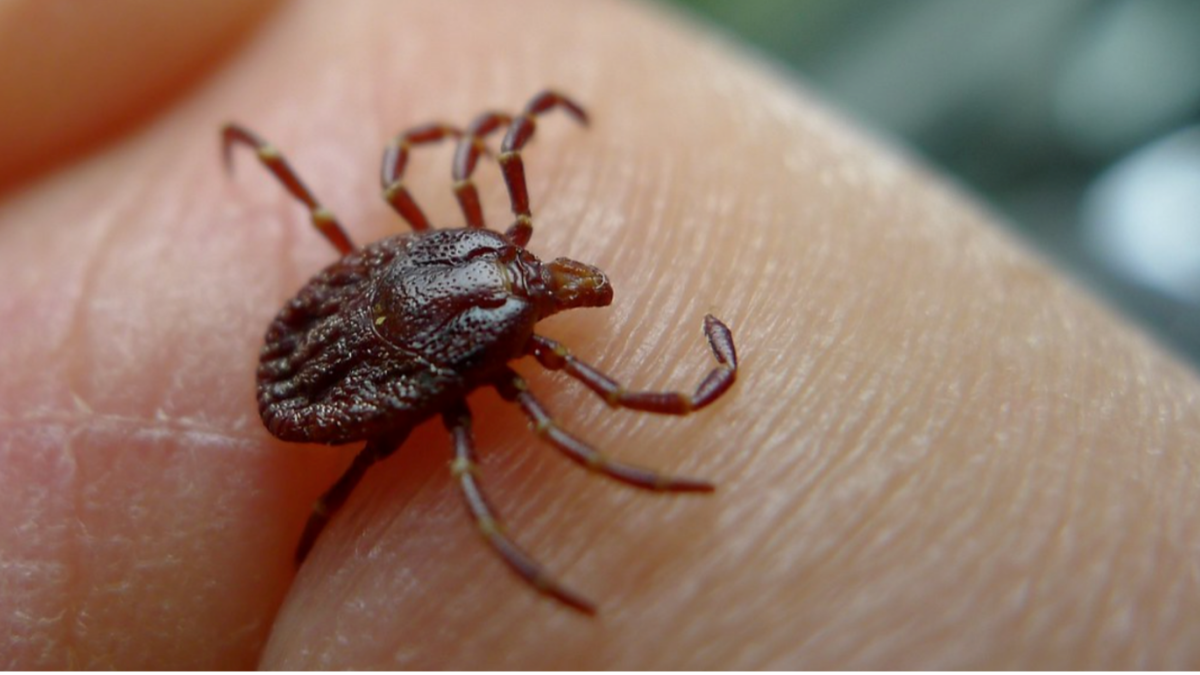

Top 5 ways to prevent tick-borne disease at work
1. Wear protective clothing.
2. Use effective tick repellent.
3. Check for ticks daily.
4. Shower and change after work.
5. Remove ticks immediately.
Tick-borne disease is a time-sensitive risk—early prevention and action are critical.
John Garland
This seasonal outdoor activity takes place during peak tick activity (May-July), drastically increasing exposure to ticks—small parasites capable of spreading serious illnesses. While tick-borne diseases are less common in this region compared to other parts of the United States, the risk is still present, especially in wooded and brush-heavy environments where forestry workers operate.
Are Ticks Common in the Pacific Northwest?
Ticks are present throughout the Pacific Northwest’s forested regions and expanding in range. Ticks are generally more common on the drier, inland areas east of the Cascade Mountains, while the western black-legged tick is most abundant west of the Cascades and along the eastern slopes.
Although the overall number of Lyme disease cases in the Pacific Northwest is relatively low, risk varies by location, season, and type of environment. For outdoor workers, exposure remains a workplace hazard that should be actively managed.
Key Takeaways
- Forestry and farming workers in the Pacific Northwest face increased exposure to ticks due to their work environments and exposure time
- Tick-borne diseases are less common in this region but still present
- Prevention is the most effective way to reduce risk
- Daily checks and quick removal are critical for avoiding disease
What Are Ticks?
Ticks are small, blood-feeding parasites commonly found in shaded, moist environments such as forests, tall grass, and brush. These environments are typical of forest worksites and farms in the Pacific Northwest.
Ticks attach to people by climbing onto clothing or skin, then biting and embedding their mouthparts to feed. Because bites are usually painless, ticks can remain attached for hours or even days without being noticed.
What diseases do ticks carry? The most well-known tick-borne disease is Lyme disease, caused by bacteria transmitted through the bite of infected ticks. Keep in mind that Lyme disease cases are relatively low in Washington, Oregon and Idaho. (And no reported endemic cases in Alaska). Yet the range of Lyme disease and that of the western black-legged tick host is expanding, including Alaska.
Ticks in the Pacific Northwest can also spread other illnesses, including:
- Rocky Mountain spotted fever
- Anaplasmosis
- Tularemia
Exposure risk for tick-borne diseases increases for outdoor workers due to prolonged time in tick habitats.
Some general early signs & symptoms for most tick-borne disease include:
- Fever and chills
- Headache
- Fatigue
- Muscle and joint aches
- Nausea, vomiting, abdominal pain)
- Loss of appetite
- Rash or swelling at or near the bite site
Later symptoms include:
- Rocky Mountain spotted fever: Vasculitis, organ failure, shock
- Anaplasmosis: Renal failure, CNS involvement, blood clotting
- Tularemia: Severe weakness, confusion, jaundice, organ damage
Lyme Disease Signs and Symptoms
Early Symptoms (3–30 days after a tick bite)
Fever and chills
- Headache
- Fatigue
- Bullseye rash (a red expanding rash around the bite) - keep in mind this pattern does not occur in 20-30% of cases of Lyme disease.
Later symptoms
- Facial palsy (muscle weakness)
- Irregular heartbeat
- Dizziness
- Joint pain and swelling
Important: Those who experience these symptoms after a tick bite should seek medical care immediately and report possible tick exposure. Also seek medical evaluation if you are pregnant, immunocompromised, or have chronic health conditions.
How to Remove a Tick Safely
If you find a tick attached to your skin:
- Use fine-tipped tweezers (avoid using fingers)
- Grasp the tick as close to the skin as possible
- Pull upward slowly and steadily—do not twist or jerk
- Clean the bite area and your hands with soap, water, or antiseptic
- Dispose of the tick in a sealed bag, alcohol, or by flushing
Prompt and proper removal reduces the chance of infection.
Sources
CDC – Tickborne Diseases and Outdoor Workers
https://www.cdc.gov/niosh/outdoor-workers/about/tick-borne-diseases.html
CDC – Lyme Disease Overview
https://www.cdc.gov/lyme/index.html
CDC – Preventing Lyme Disease
https://www.cdc.gov/lyme/prevention/index.html
CDC – Tick Bite Prevention
https://www.cdc.gov/ticks/prevention/index.html
Washington State Department of Health – Ticks
https://doh.wa.gov/community-and-environment/pests/ticks
Washington State Department of Health – Lyme Disease
https://doh.wa.gov/public-health-provider-resources/notifiable-conditions/lyme-disease
Oregon Health Authority – Ticks
https://www.oregon.gov/oha/ph/diseasesconditions/communicabledisease/pages/ticks.aspx
UW Medicine – Tick-Borne Disease in the Pacific Northwest
https://rightasrain.uwmedicine.org/well/prevention/tick-borne-disease-pacific-northwest