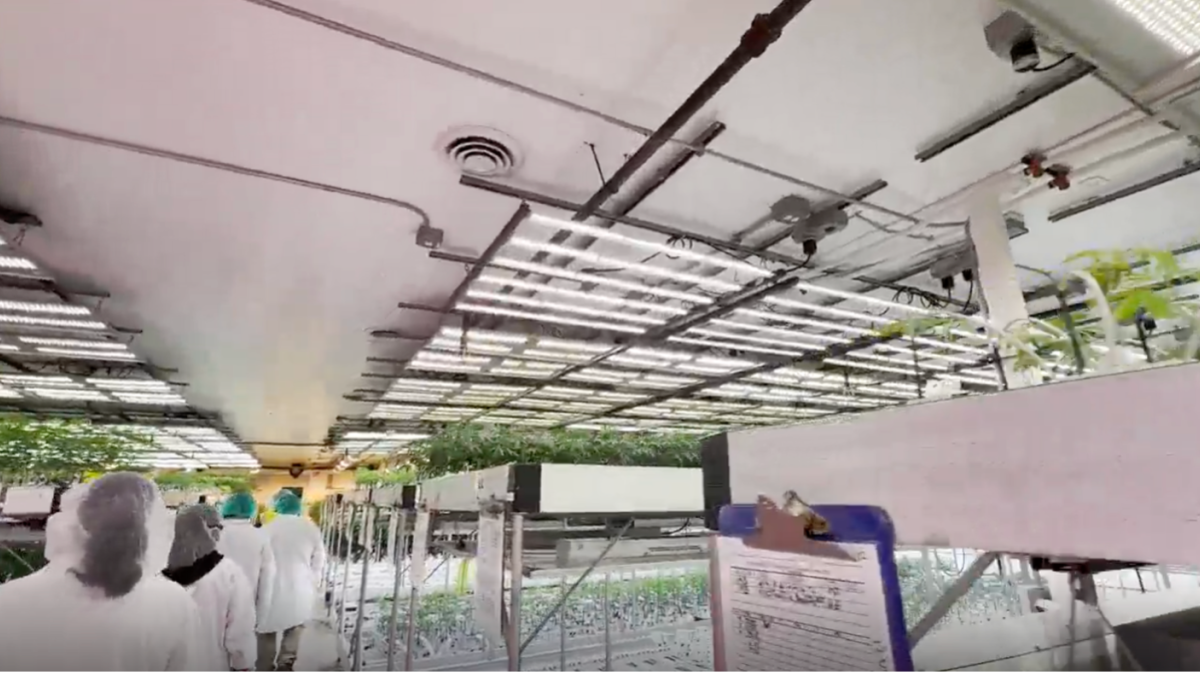
On April 22, a WISHA10 Cannabis training was delivered onsite at a cannabis cultivation and processing facility in Washington state. It represents a milestone for safety and health training in the industry. This training adapted the traditional WISHA10 agriculture curriculum to reflect the unique realities of cannabis work, creating an interactive, hands-on learning experience for workers. With many cannabis operations still developing standard practices, there is a critical need for accessible, industry-specific training to help workers recognize and prevent workplace injuries and illnesses.
The cannabis industry presents a complex mix of hazards. Workers may be exposed to respiratory irritants, biological agents, wildfire smoke, extreme heat, and ultraviolet (UV) light. Physical demands such as repetitive motion and heavy lifting can lead to sprains and strains, while specialized equipment and lithium batteries introduce additional safety risks. Despite these hazards, industry-specific training has historically been limited—making tailored programs like this one especially important.
Building engagement through worker-centered training
One of the most notable aspects of the training was its highly interactive, worker-centered approach. Rather than relying solely on lecture-style delivery, the session incorporated role-playing, case-study discussions, and hands-on hazard identification activities.
Workers actively engaged with the material, sharing real-life experiences and collaborating on solutions. These discussions allowed participants to connect safety concepts directly to their daily tasks, making the training more relevant and impactful. The result was a dynamic environment where workers felt comfortable asking questions, exchanging ideas, and learning from one another.
Strong interest in industry-specific safety solutions
Both workers and managers demonstrated a clear investment in improving health and safety within their workplace. Topics such as personal protective equipment (PPE), ventilation, exposure risks, and ergonomic challenges sparked thoughtful conversations throughout the training.
This level of engagement highlights a broader trend: cannabis workers are seeking more accessible, practical, and industry-specific safety education. As the industry continues to evolve, so does the demand for resources that reflect the realities of cultivation and processing environments.
A partnership model for the future
The success of this training was rooted in strong collaboration. The partnership between the University of Washington, the Division of Occupational Safety and Health (DOSH) Multicultural Safety and Health Outreach Program (MSHOP) and Grow Op Farms ensured that the curriculum was both technically accurate and grounded in real-world experience.
The DOSH MSHOP team played a key role in guiding the integration of cannabis-specific content into the WISHA10 framework, helping shape a module that aligns with their broader outreach and education efforts. At the same time, Grow Op Farms, and their crew at Phat Panda, brought invaluable insight from the field.
Leadership at the facility – particularly their health and safety manager, Scott Haggberg, who is known by his crew as “Safety Scott” – was deeply involved throughout the process. By sharing detailed information about day-to-day operations, equipment, and existing safety challenges, the Grow Op Farms team helped ensure that the training was practical, relevant, and immediately applicable.
“There are no cannabis worker OSHA protections. Phat Panda sought help from L&I, local fire, and commercial insurance consultation from the start and built a "working" safety program.”
Safety Scott, Phat Panda
Their proactive approach demonstrates how industry leaders can play a vital role in advancing workplace safety—not only within their own operations, but as a model for others across the cannabis sector.
Growing a culture of safety
This training represents an important step toward building a stronger culture of safety in the cannabis industry. By combining interactive teaching methods, worker input, and cross-sector collaboration, it shows how effective training can empower workers and support safer workplaces.
As partnerships like this continue to grow, they offer a promising path forward—one where safety is not just a requirement, but a shared priority embedded in every stage of production.
To learn more about workplace safety and health training for agriculture in WA state, please visit the WISHA 10 website. The training promotes a culture of safety and health through peer learning, and benefits both workers and employers – supporting safer workplaces with fewer incidents.